Showing posts with label Falmouth. Show all posts

Sunday, 17 December 2017

Quayside in Falmouth - Part 3

The first selection in this final part of the quayside series is boats and ropes. I didn't feel that I could this finish a series without including some photographs of the boats around the harbour.

The challenge when photographing boats is deciding how much of the structure to include in the frame. Sometimes it is only necessary to suggest the presence of a boat. This can add a depth to the composition as the picture is built around lines and shapes rather than a simple portrait of a boat. In these circumstances less can be more.

For example, this small panel includes images with varying amounts boat in the frame from one composition that excludes the boats altogether through to one that shows a boat in the wider context of the harbour. Each image has merits but my favourite is the first image due to the repeated shape of the ropes and their reflections.

In my favourite image the placement of the boats is governed by two key points. The first point is  where the middle rope enters the water and the reflection starts and the second is where the closet rope reflection meets with the corner of the frame. On this occasion, I think the impact of the composition would have reduced by including too much of the boats.


This final selection of the series is a bit of a catch all. They are individual images that didn't fit with any of themes covered in the series but are part of the summer walks along the quayside in Falmouth. Included are some reflections, rust abstracts, some metal structures around the quay and an abstract of the harbour wall:


Wednesday, 13 December 2017

Quayside in Falmouth - Part 2

Moored at the quayside in Falmouth are row of expensive looking yachts. Occasionally these make interesting subjects but, more often than not, I look for the abstract patterns created by the masts reflected in the water.

The best time for this type of shot is high tide with a gentle movement in the water. The reflected masts then break down into squiggles with the odd patch of colour. I generally choose a shutter speed that freezes the movement, perhaps 100th or 125th of a second, and simply alter the focal length and the aspect ratio to create the compositions.

The results on the back of the camera can be a bit underwhelming and flat at first look but this is easily corrected in post processing.....in fact, an auto adjustment often does the trick.


The key to the above compositions is the way the water moves. If there is a stronger current or more wind the effect is lost or the photographic outcomes are different. These are some other examples of quayside reflection taken in different conditions during the summer.


Saturday, 9 December 2017

Quayside in Falmouth - Part 1

Whilst I am piecing together my series of autumn photographs taken along the Southwell Trail, this post  looks back to the summer and a selection of images taken around the quayside in Falmouth.

The quay is one of my favourite places to potter with a compact camera.There is so much detail to capture, different shapes and colours, and many reflections - it never really disappoints.

As the photographs were taken over a couple of months there are too many to load in one post so I will group them together in a number of themes starting with some bad weather reflections in the old harbour:


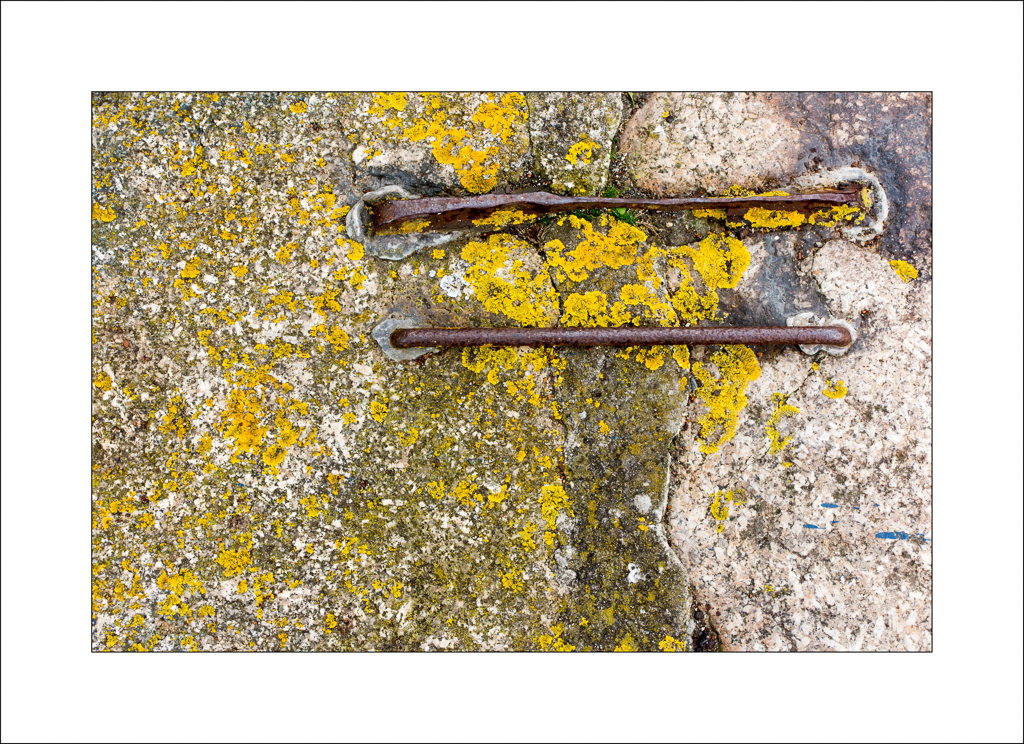
Also on the old harbour walls, were these mooring rings, chains and rusting iron bars. I particularly like the contrast of the rusty colours with the yellow lichen stonework:


Monday, 4 December 2017

Sea Thong - August 2017

I have taken many shots of the rock patterns near to Gyllyngvase Beach in Falmouth but never really ventured too far in to the area that is weed covered. Mostly, of course, it is covered by the tide and hard to walk on except in summer when the sea is calm and the hot sun has dried the rocks.

At the waters edge, I spotted an area of floating Sea Thong (or Thongweed) which made some interesting and different intimate landscape (or seascape) compositions:


Lastly, this is a context shot for the above images looking from Gyllyngvase towards Pendennis Point.


Sunday, 22 October 2017

Red Arrows

I tend to steer clear of photographing fast moving subjects. I am not sure why but it probably goes back to the reason I started landscape photography. Basically, photography was a slow down activity and a pleasant diversion from the stresses of working. Standing with a tripod waiting for the light to change was far more relaxing than rapid burst photography.

Occasionally, however, an opportunity like the Red Arrows in Falmouth presents itself and I try to get some shots that aren't blurred. Of course, the precision flying skill and the display routines of the Red Arrows makes it much easier to get a few sharp ones!


Wednesday, 31 May 2017

Falmouth - Photography Week 16 (2017)

I rarely go out these days without taking a compact camera with me and this invariably leads to an assortment of different photographs. Many of these are simple record shots of details that interest me or scenes that I find pleasing to look at.

These are some of the photographs taken on a short visit to Falmouth:

Osteospermum

Above the sea wall and near to Gyllyngvase beach is a wonderful bed of Osteospermum (daisy family):


Gyllyngdune Gardens

In front of Gyllyngdune Gardens is the listed Victorian spiral steps leading to the beach. The following images where captured using the in-camera HDR facility:


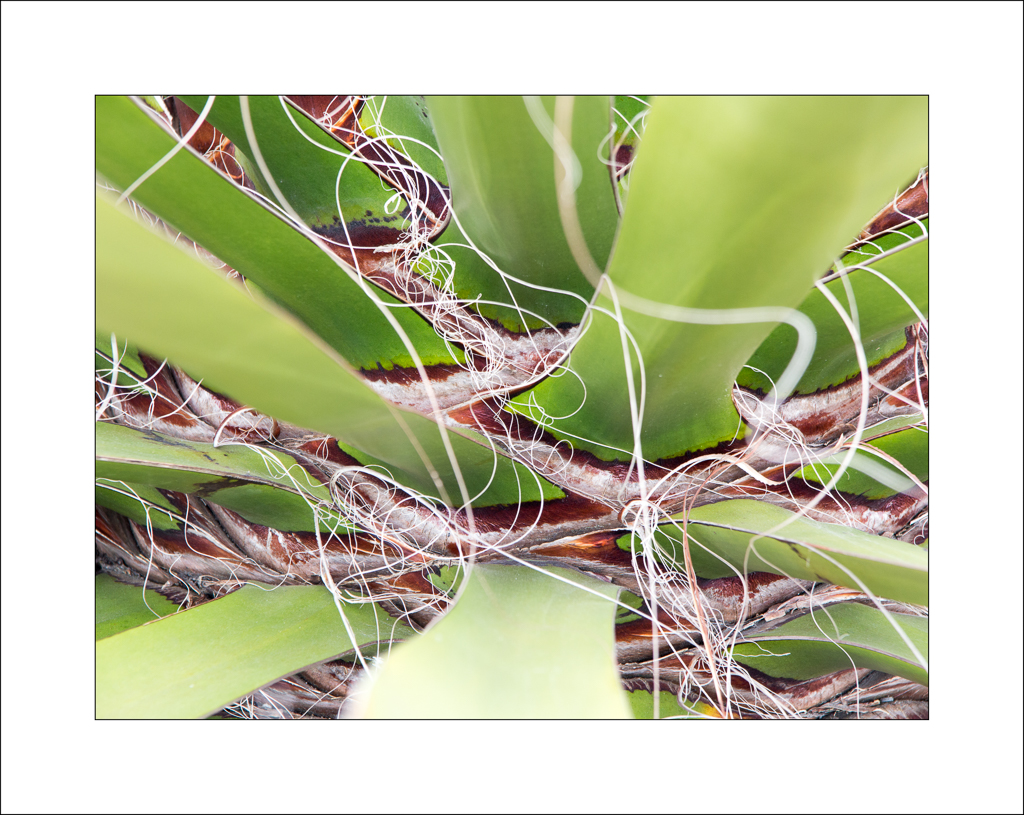
The gardens themselves were restored in 2011 and in common with the sea front it is neatly planted and maintained. This selection includes the leaves of a hosta, a backlit palm leaf, and close-ups of an agave plant:


At the entrance to the gardens was a carpet of bluebells and three-cornered leeks and this extended to a small patch on the sea front:


Harbour Reflections

In a recent post I shared a selection of Nottingham City canal reflections. I used the same approach at high tide around the harbour in Falmouth.


Gunnera

Gunnera, or giant rhubarb plants, are popular in many of the public gardens in Cornwall. The leaf patterns and textures are great to photograph and work particularly well when converted to black and white:


Rust

Finally, a rusty residue from the foot of some sea front metal railings providing a colourful abstract image: