Showing posts with label Sycamore. Show all posts

Tuesday, 24 May 2022

Combs Lane (March/April 2022)

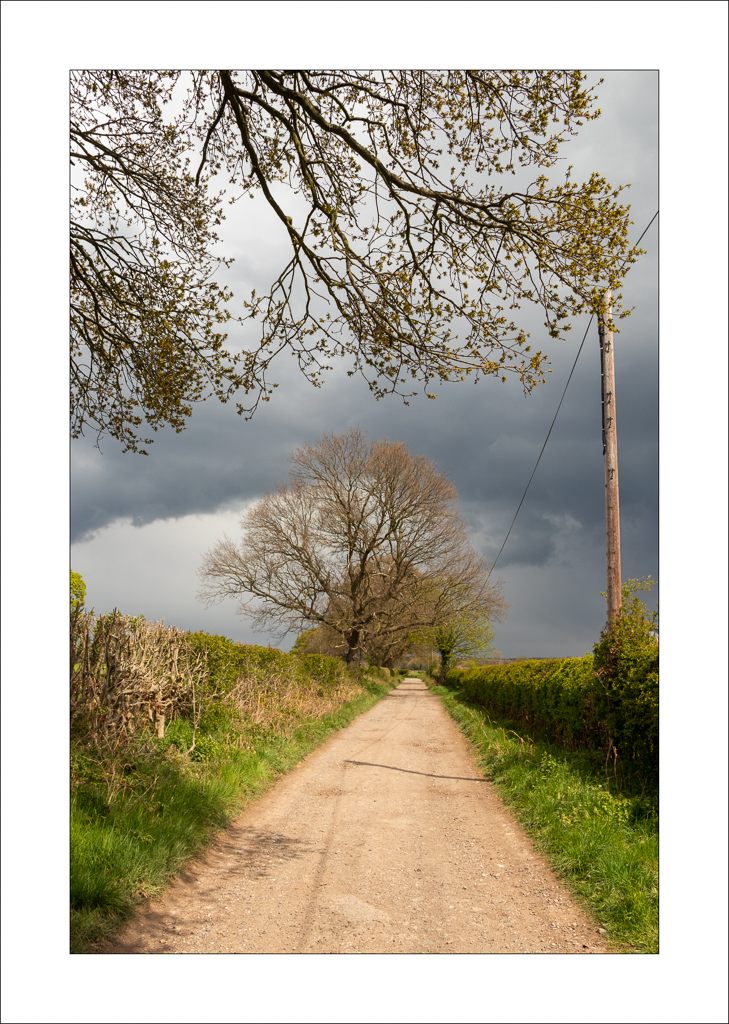
Continuing the theme of the previous posts, I move across the village to Combs Lane to capture the transition from winter to spring. 

This first set is the last of the winter trees in this location as the sunlight fights against some heavy showers:


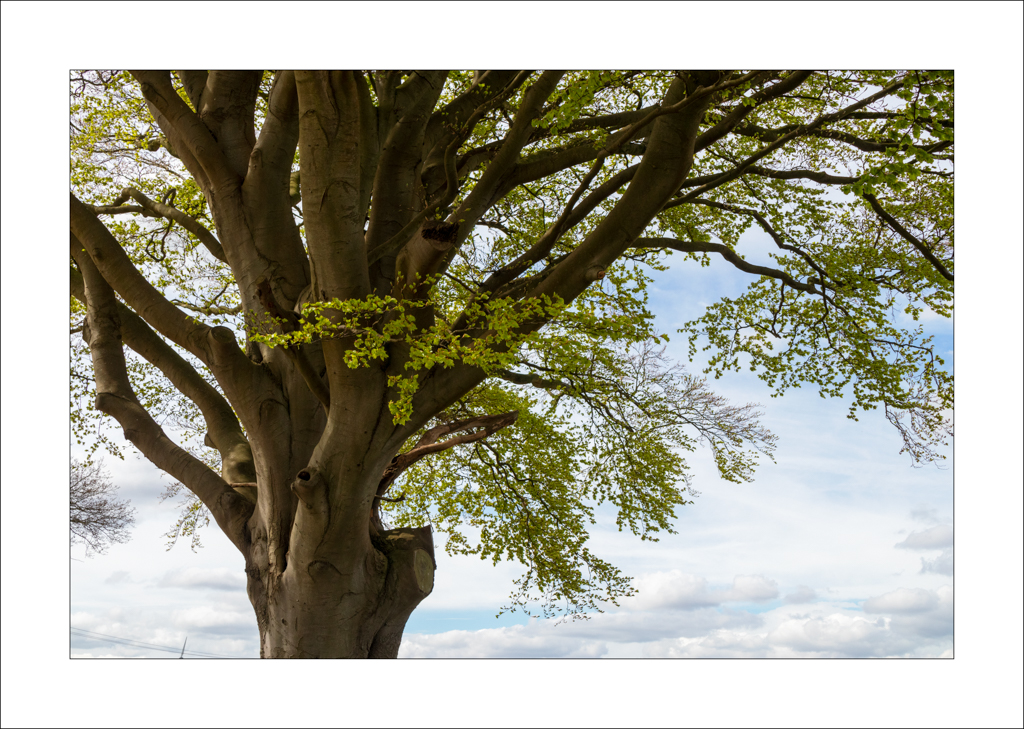
The tree, shown above, is a sycamore and it is a bit of a favourite for the photography. It tends to receives good light most of the day and its shape composes well with the trees in the background. This sequence shows the leaves developing over a period of 12 days: 


Another favourite on Combs Lane is a large beech tree and shown below is another sequence of photographs that captures the development of the leaves, starting with buds in the first week in April and a full canopy just two weeks later…


Tuesday, 1 June 2021

April on Combs Lane (2021)

Despite a relaxation in the lockdown restrictions I was still walking to many of the same locations during April and taking the camera with me. The walk to Combs Lane, for instance, has become a habit. Not only does it provide an opportunity to observe the seasonal changes around the village, it has also been a healthy experience. 

The stubborn weight that had persisted for many years has final gone and as the pace of life starts to pick up, I realise that lockdowns were actually a very calming experience. The rush of modern life disappeared for a while and was replaced by more time to observe - something that I will take forward when we finally return to the full normal...whatever and whenever that might be!

That extra bit of calm time in April was spent photographing the leaves returning to two of my favourite trees in the Combs Lane location. The first is a sycamore tree that stand alone in one of the fields and the second is a giant beech tree that arches over the lane. The sequence below shows the leaf buds starting to show in the first two weeks of the month. This is followed by some sprouting leaves in the third week and then a full crown by the last week in April. 

The sycamore:


The beech tree:


A few weeks behind the sycamore and beech trees were the lime, oak and ash trees where the leaves only started to develop in late April and early May. I will therefore cover these in a separate post and finish this entry with some general scene of Combs Lane taken during April:


Monday, 23 July 2018

Spring on the Southwell Trail - Part 17 (June 2018)

The theme for this selection from the Southwell Trail is a combination of leaves, the colour green, and tree identification. As I stated in my previous post it was becoming more difficult to photograph the trail itself due to the dense foliage and some bright highlights. The constrasty nature of the results didn't appeal too much and, unlike the winter shots where I thought there was still some variety in the photographs, the late spring compositions started to look very similar.

The alternative to the wide landscapes, was close-up work and the details of the trail at this time of the year, starting with compositions of hawthorn, oak, and possibly hornbeam leaves. I am still not sure about the hornbeam and I am basing my identification on the serrated edges of the leaves. Earlier in the season I photographed a catkin which I thought was hornbeam and now I am waiting to see if I can spot its winged fruit known as samaras.


I did spot a variety of winged fruit or helicopter seeds during June and I started to investigate the differences between them. In doing so I came across a great guide on the Woodland Trust website. They use the shapes of famous people's moustaches as fun way to identify the different seeds. For example:

1) The field maple or the Clark Gable:


2) Sycamore or Frank Zappa


3) And one that made me laugh - the ash tree or ? as "no one's quite sure who the ash seedling looks like"


Other tree fruit I spotted included:

Horse chestnut:


Blackthorn sloes:


Wild cherries:


Wild pear:


Some insects:

Red soldier beetle


Scorpion fly (I think)


Finally, there was lots of sunny weather during the early part of June and only enough rain to dampen the leaves on one particular day: